Every sale needs a bill, but the right type of bill depends on your GST registration. This guide covers the basics for small retail shops. It is general information — check specifics with your CA.
Tax invoice or bill of supply?
- Tax invoice — issued by a GST-registered business charging GST on the sale.
- Bill of supply — issued when no GST is charged, for example by a business under the composition scheme or one not registered for GST, or for exempt goods.
What a GST tax invoice should show
- Your business name, address and GSTIN
- A unique, consecutive invoice number for the financial year, and the date
- Customer name (and GSTIN for a registered business buyer)
- Description of goods or services, HSN/SAC code where required, quantity and value
- Taxable value, GST rate and amount (CGST + SGST within the state, IGST across states)
- Total amount and place of supply
Invoice numbering
Numbers must be unique within a financial year (April–March), up to 16 characters, and can use letters, digits, “/” and “-”. Most shops use a prefix and the year, such as SHOP/26-27/0001, restarting each April.
GST-inclusive prices
Retail prices are usually GST-inclusive. To split them, taxable value = price ÷ (1 + rate). For ₹118 at 18%: taxable ₹100, GST ₹18.
Making bills on your phone
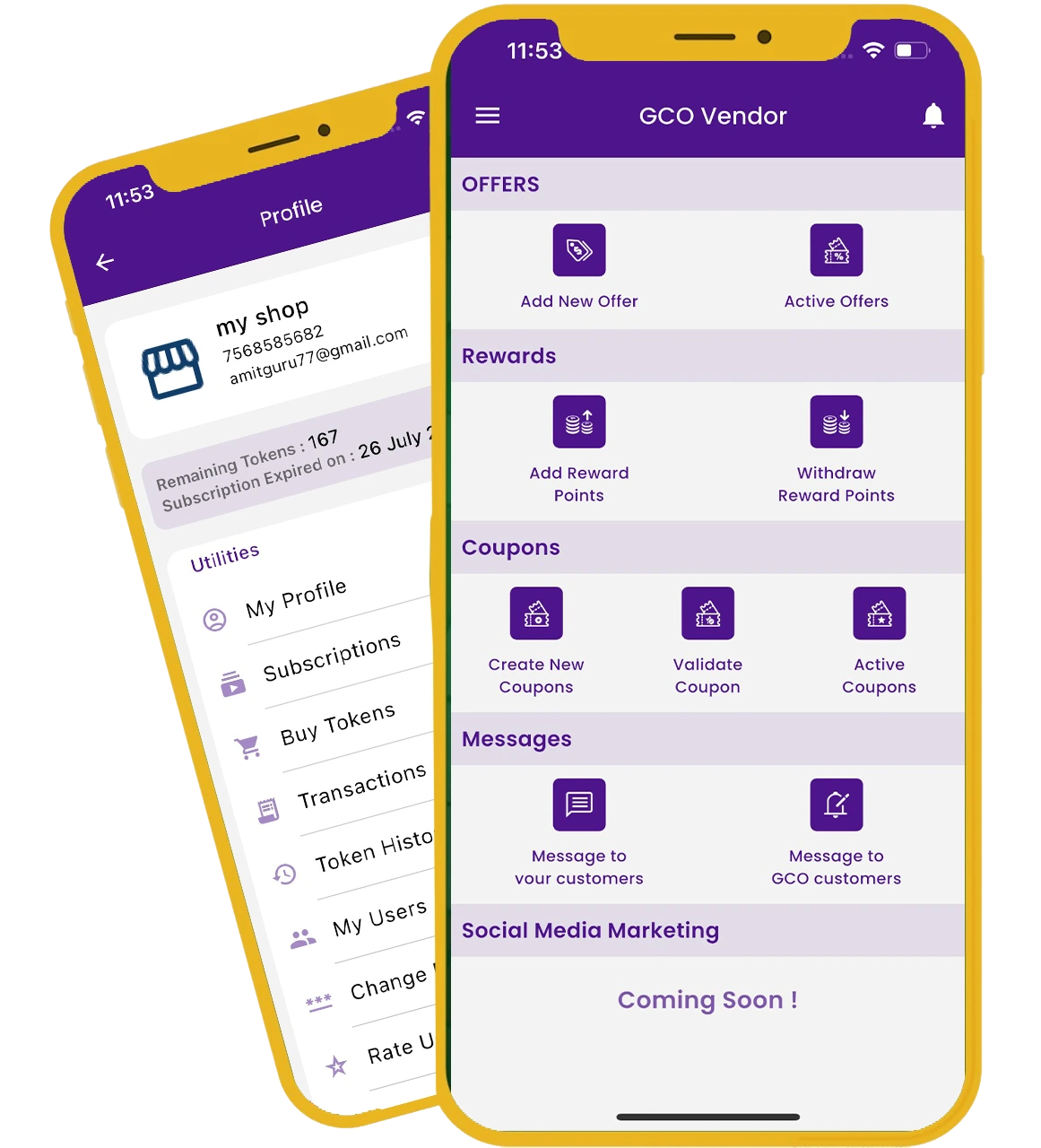
GCO Billing creates a tax invoice when GST is on and your GSTIN is valid, and a bill of supply otherwise. Add catalog products or free-text items with per-line GST, numbering runs automatically by financial year, and you can share a PDF or link from your phone for free. It also works on a laptop at billing.gocrazyoffers.com.